A pump that is losing flow, vibrating or chewing through seals forces a decision: rebuild it or buy new? The answer is rarely obvious, and suppliers on both sides have an interest in the outcome. Here is how we think about it, honestly.
Start with the casing
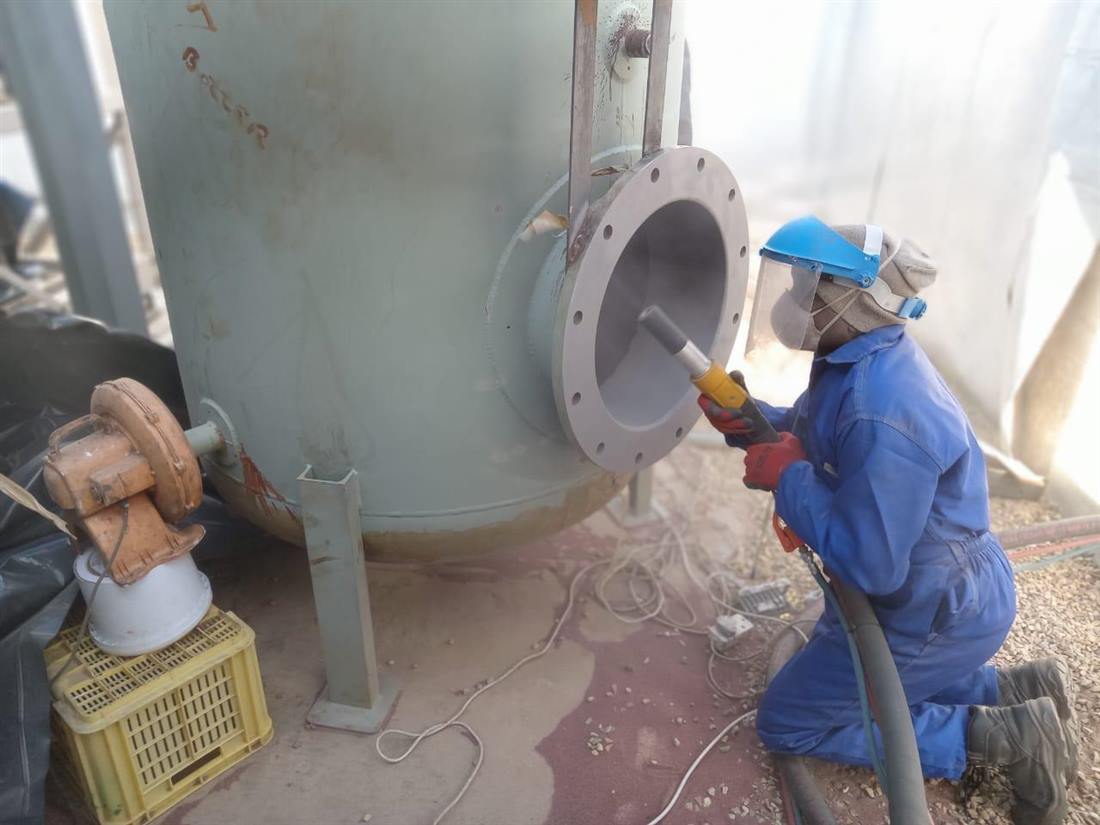
The casing (or volute) is usually the most expensive part of a centrifugal pump, and the one with the longest lead time. If it is structurally sound, without cracks through pressure-retaining walls and with enough wall thickness left, a rebuild is almost always worth considering. Corrosion pitting and erosion can be rebuilt with repair compounds and protected with a corrosion coating or glass flake lining.
Look at the impeller
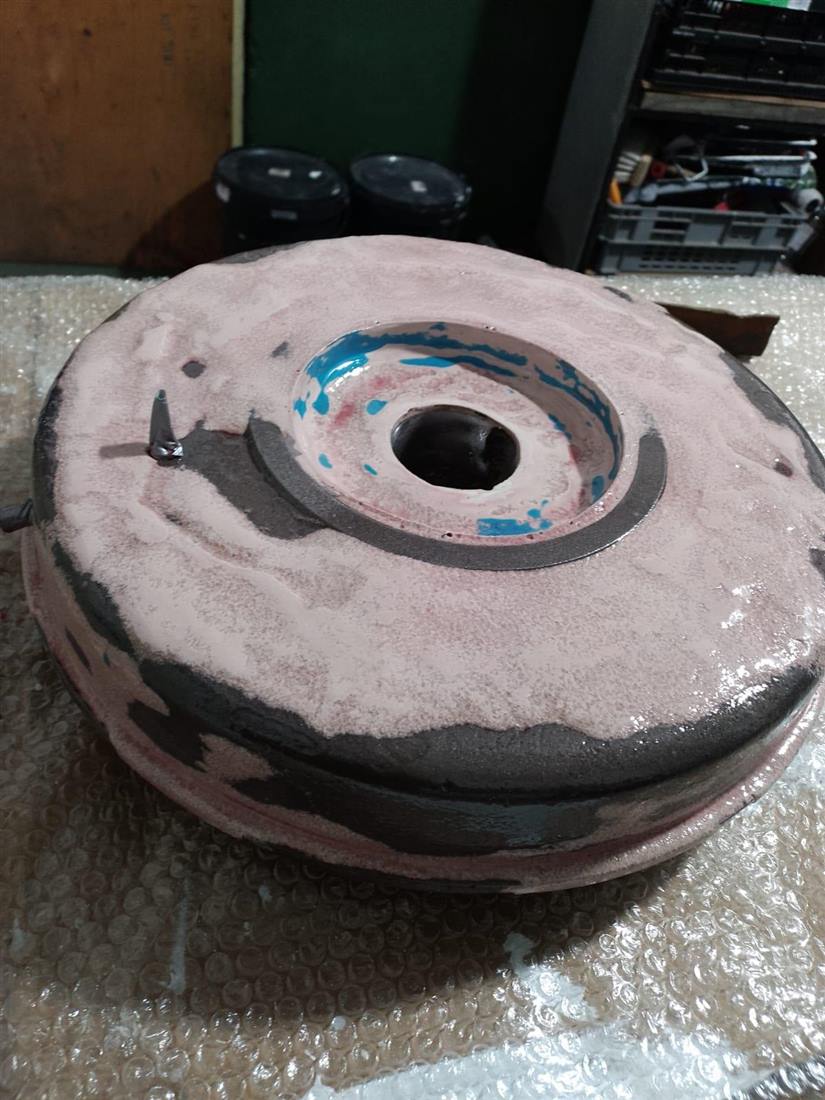
Eroded vane tips, worn shrouds and opened-up wear-ring clearances are classic rebuild candidates. Ceramic-filled compounds can restore the profile, and the finished surface often wears better than the original casting. A cracked hub, on the other hand, means replacement.
Weigh the lead time
Imported pumps and large valves can take weeks or months to arrive. A rebuild done locally in the Western Cape often has the unit back in service within one to two weeks. For a critical duty, that alone can decide it.
When replacement wins
- Small, inexpensive pumps where labour exceeds the price of a new unit
- Pumps badly mismatched to their duty: rebuilding a wrong-sized pump just restores the wrong pump
- Cracked or dangerously thinned pressure parts
If you are unsure, send us photos of the casing and impeller. We will give you a straight first opinion before anything is collected.